Forage Seed Solutions
UFA delivers high-performance forage seed designed to build resilient pastures, support livestock health, and maximize return on investment. Whether you're establishing new acres or improving an existing stand, our Customer Account Managers (CAMs) help you select the right mixes for local conditions, seasonal objectives, and herd requirements - so your operation can thrive year-round. Our forage seed offerings include proven species, like orchard grass, meadow brome, and tall fescue for durable, productive feed sources.
Why Choose UFA for Forage Seed
From regionally proven varieties to custom blends, UFA provides the expertise and products to help you plan, establish, and manage high-performing fields. Our CAM's support you with seed selection, fertility planning, grazing strategies, and ongoing performance reviews - so you get more from every acre.
GROW STRONGER FORAGE TOGETHER
Our Customer Account Managers (CAMs) understand that successful forage production starts with the right seed and management plan. With local knowledge and access to a broad selection of high-performing forage seed varieties, seed treatments, and crop inputs, your CAM can help you make confident decisions for your operation. By working together and using this guide as a planning resource, you'll have the support and insight needed to achieve strong, healthy stands and consistent results season after season.

Manage the Moisture
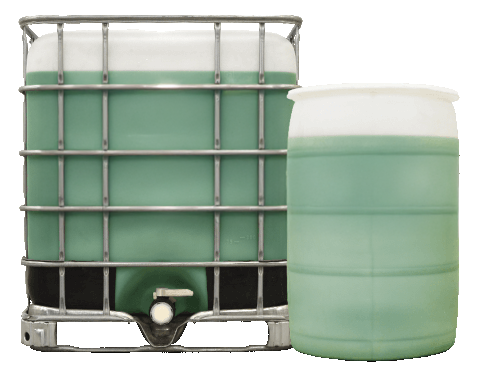
UFA's exclusive Buffered Proponic Acid offers a complete conditioning solution for hay, straw, silage, and more.
You know how important stored forages are to providing your livestock the nutrients they require throughout the colder months when pasture is not an option. Baling forage at the ideal moisture level is essential to ensure that the final product will store well and play a successful role in maintaining herd health.
TIPS FROM THE FIELD
?fmt=auto)
Good Establishment is Key
To get the most out of your forage crop so that it can be a valuable feed source for livestock for several years, strong establishment is the key to success.
?fmt=auto)
Soil Testing
Cost-effective forage production for livestock nutrition relies on providing the appropriate nutrients to feed the plant to optimize its growth.
?fmt=auto)
Forage Testing
Forage testing is an essential tool to evaluate feed quality.
Forage Seed Types and Traits
Legumes
| Group | Intended Use | Species | Product Number | Variety | Rooting Habit | Plant Type | Preferred Growing Conditions | Variety Key Features | Species Considerations | Production Period | Production Period | Winter-hardiness | Drought Tolerance | Flood Tolerance | Optimal pH | Acidity Tolerance | Alkaline Tolerance | Salinity Tolerance | Aprox. Seeds/lbs |
|---|---|---|---|---|---|---|---|---|---|---|---|---|---|---|---|---|---|---|---|
| Clover | Dual | Alsike Clover | 486691 | Common | Non-creeping branch | Low | Cool, Low-lying moist soils | Tolerant to poorly drained soils • Survives in poor pH soils | Bloat risk - horses | Spring | Spring | Good | Poor | Moderate | 5.7 - 7 | Moderate | Moderate | Low | 700000 |
| Alsike Clover | 700726 | Dawn | Non-creeping branch | Low | Cool, Low-lying moist soils | Grows in challenging soil conditions • Vigorous, large leave variety | Bloat risk | Spring | Spring | Good | Poor | moderate | 5.7 - 7 | Moderate | Moderate | Low | 700000 | ||
| Red Clover (Double Cut) | 1104561 | Common | Tap-Root | Erect | High moisture areas, various soils | Rapid spring growth • Works well in rotational grazing • Grazing tolerance | Bloat risk • Short-lived - 2-3 yrs | Spring to Fall | Spring to Fall | Poor | Low | Moderate | 5.5-7.5 | Moderate | Moderate | Low | 275000 | ||
| Red Clover (Single Cut) | 482542 | Common | Tap-Root | Erect | High moisture areas, various soils | Rapid spring growth • Works well in rotational grazing | Bloat risk • Short-lived - 2-3 yrs | Spring to Fall | Spring to Fall | Poor | Low | Moderate | 5.5-7.5 | Moderate | Moderate | Low | 272000 | ||
| Red Clover (Single Cut) | 1126952 | Altaswede | Deep Tap-Root | Erect | High moisture areas, various soils | Single Cut variety • Rapid establishment | Bloat risk • Short-lived - 2-3 yrs | Spring to Fall | Spring to Fall | Good | Low | Moderate | 5.5-7.5 | Moderate | Moderate | Low | 275000 | ||
| Yellow Sweet Clover | 482819 | Common | Tap-Root | Upright | Versatile, productive in loamy soils | Pollinator attractor • Can be used as soil builder | Bi-annual | Spring to Fall | Spring to Fall | Moderate | Moderate | Low | 5.5–7.0 | Low | Moderate | Moderate | 250000 | ||
| Pasture | White Clover | 473721 | Common | Shallow | Low | Moist, well-drained loamy soils | Tolerant to close grazing • Nitorgen fixing | Poor performance in hot, dry conditions | Spring to Fall | Spring to Fall | Moderate | Low | Moderate | 6.5-7.5 | Moderate | Low | Low | 775000 | |
| Bloat-Free Legumes | Pasture | Birdsfoot Trefoil | 1130523 | Bull | Tap-Root | Low | Moist, tolerant to unfertile soils | Good stress and grazing tolerance • Good forage yield | Lower persistence | Spring to Fall | Spring to Fall | Good | Moderate | High | 6.2-6.5 | Moderate | Moderate | Low | 375000 |
| Cicer Milkvetch | 1149694 | Coated | Creeping | Upright | Versatile, productive in coarse soils | Low leaf lost in hay • Resistant to gophers | Difficult to establish | Late spring to Fall | Late spring to Fall | Good | Moderate to High | Low | 6.0-7.8 | Low to Moderate | Moderate | low to Moderate | 120000 | ||
| Sainfoin | 1149693 | AC Glenview | Tap-Root | Upright | Versatile, adept to well-drained soil | Branch tap root | Limited regrowth | Spring to Summer | Spring to Summer | Good | Moderate | Low | 6.0-7.8 | Low | Moderate | Low | 25000 |
Grasses
| Group | Intended Use | Species | Product Number | Variety | Rooting Habit | Plant Type | Longevity | Preferred Growing Conditions | Variety Key Features | Species Considerations | Production Period | Winter-hardiness | Drought Tolerance | Flood Tolerance | Optimal pH | Acidity Tolerance | Alkaline Tolerance | Salinity Tolerance | Aprox. Seeds/lbs |
|---|---|---|---|---|---|---|---|---|---|---|---|---|---|---|---|---|---|---|---|
| Timothy | Dual | Timothy | 482837 | Richmond | Bunch Grass | Basal | Good | Adapt to cool, humid climate, thrives in bottomlands and finer soils | Early maturity, strong spring vigour | Poor recovery in limited moisture • Does not like coarser soil | Spring to Summer | Very Good | Low | High | 5.6-7.3 | High | Low | Low | 1200000 |
| 1149703 | Top Tim XL | Bunch Grass | Basal | Good | Productive in northern georaphics, well drained, fertile soil | Blend • Early maturing, pasture or grazing use | Not salinity or drought tolerant | Spring to Summer | Very Good | Low | High | 5.6-7.3 | High | Low | Low | 1200000 | |||
| 584383 | Comtal | Bunch Grass | Basal | Good | Adapted for wetter areas, able to thrive in moderate spring flooding | Medium to late maturity • Superior head length • Vigourous leaf growth | Low fertility tolerance • Not tolerant to aggressive grazing | Late Spring to Summer | Very Good | Low | High | 5.6-7.3 | High | Low | Low | 1200000 | |||
| Wheatgrass | Dual | Crested | 854828 | Fairway | Bunch Grass | Basal | Short | Prefers medium textured well drained soil | Diploid suited toward pasture • Finer stems & more tolerant to moisture | Forage quality drops after heading | Spring to Fall | Very Good | Very Good | Low | 6.6-8.4 | Low | Moderate | Low to Moderate | 135000 |
| 902269 | Kirk | Bunch Grass | basal | Short | Prefers medium textured well drained soil | Tetraploid type • Suitable for hay or pasture | Forage quality drops after heading | Early Spring | Very Good | Very Good | Low | 6.6-8.4 | Low | Moderate to High | Low to Moderate | 195000 | |||
| Tall | 854882 | Bunch Grass | Basal | Long | Prefers medium textured well drained soil | Adapted to wet, flood prone soils • Excellent seedling vigour, but slow to establish and late maturing | Coarse leaves not as palatable as other wheatgrasses • Does not tolerate low mowing or grazing | Late Spring to Mid-Summer | Good | Very Good | Moderate to High | 6.6-8.4 | Low to Moderate | High | High | 75000 | |||
| Brome | Hay | Smooth Brome | 531963 | Common | Sod forming | Basal | Long | Cool season grass with rhizomes | Best for hay, pairs well with alfalfa | Full yields often not realized till 2- or 3-year • Can be difficult to eradicate through cultivation | Mid-Spring to Mid-Summer | Very Good | Moderate to High | Moderate | 6.0-7.5 | Moderate | Moderate | Low to Moderate | 142000 |
| Dual | 482864 | Calton | Sod forming | Elongating | Long | Widely adapted | Aggressive sodforming roots • Exhibits disease resistance | Can be considered invasive in range areas | Mid-Spring to Mid-Summer | Very Good | Moderate to High | Moderate | 6.0-7.5 | Moderate | Moderate | Low to Moderate | 142000 | ||
| 1149695 | Big Ton XL | Sod forming | Elongating | Long | Widely adapted | Blend of smooth brome grasses • Improved yield and disease resistance | Can be considered invasive in range areas | Mid-Spring to Mid-Summer | Very Good | Moderate to High | Moderate | 6.0-7.5 | Moderate | Moderate | Low to Moderate | 138000 | |||
| Pasture | Meadow Brome | 854677 | MBA | Creeping | Elongating | Long | Cool season, fertile and well drained soil | Diploid suited toward pasture • Finer stems & more tolerant to moisture | Does not tolerate flooding | Mid-Spring to Mid-Summer | Very Good | Moderate | Moderate | 6.0-7.5 | Moderate | Moderate | Low to Moderate | 93000 | |
| 1126949 | Fleet | Bunch Grass | Basal | Long | Widely adapted; prefers well drained soils | Excellent regrowth • Excellent pasture variety | Can be considered invasive in range areas | Early Spring to Mid-Summer | Good | Moderate | Low | 6.0-7.5 | Moderate | Moderate | Low to Moderate | 90000 | |||
| Dual | Hybrid Brome | 1139765 | Succession | Bunch Grass | Basal | Long | Versatile | Cross of meadow and smooth bromegrass • Suited to hay and pasture | Slower regrowth than meadow bromegrass | Early Spring to Mid-Summer | Good | Moderate | Low | 6.0-7.5 | Moderate | Moderate | Low to Moderate | 120000 | |
| Canary | Dual | Reed | 854999 | Sod | Elongating | Long | Grows well in poorly drained soil prone to flooding | Can be subjected to temporary flooding up to eight weeks | Not saline tolerant | Spring to Fall | Very Good | Moderate | Excellent | 5.5-7.5 | Moderate | Moderate | Low | 535000 | |
| Orchard-grass | Orchard-grass | 1129671 | Echelon | Bunch Grass | Basal | Short | Medium textured, well drained soil with good moisture | Extremely late maturing • Adapted for hay, silage or grazing | Requires good soil drainage • Cannot withstand long dry periods | Late Spring to Fall | Good | Low | Moderate | 6.0-7.5 | Moderate | Low | Low to Moderate | 416000 | |
| Orchard-grass | 1149702 | Haymate XL | Bunch Grass | Basal | Short | Medium textured, well drained soil with good moisture | Medium-late maturing • Great companion for alfalfa | Less winter hardy than other grasses | Late Spring to Fall | Poor | Low | Moderate | 6.0-7.5 | Moderate | Low | Low to Moderate | 416000 | ||
| Orchard-grass | 114701 | Captur | Bunch Grass | Basal | Short | Medium textured, well drained soil with good moisture | Very good disease resistance • Late maturity | Requires good soil drainage • Cannot withstand long dry periods | Late Spring to Fall | Fair | Low | Moderate | 6.0-7.5 | Moderate | Low | Low to Moderate | 416000 | ||
| Fescue | Pasture | Creeping Red | 486744 | Boreal | Sod | Basal | Long | Widely adapted • Likes high precipitation | Adapts to variety of soils • Tolerates close grazing and drought | Lower production in dry regions | Spring to Fall | Very Good | Good to high | Moderate | 5.5-7.5 | Moderate to High | Moderate | Low to Moderate | 375000 |
| Creeping Red | 482971 | Common | Sod | Basal | Long | Widely adapted • Likes high precipitation | Performs well in low nutritional value soil fields with heavy wear | Lower production in dry regions | Spring to Fall | Very Good | Good to high | Moderate | 5.5-7.5 | Moderate to High | Moderate | Low to Moderate | 375000 | ||
| Dual | Meadow | 1149700 | Senu | Bunch Grass | Basal | Short | Prefers soils with good moisture, good drainage | Active growth under low temperatures • High stress tolerance | Required one full growing season to be established not tolerant to heavy grazing | Spring to Fall | Fair | Moderate | Moderate to High | 5.5-6.5 | Moderate | Moderate | Moderate | 227000 | |
| Tall | 1149698 | Stargazer XL | Bunch Grass | Basal | Long | Better drought tolerance than other cool season grasses | Good yielder with excellent persistence • Suitable for both pastures or hay | • Can be susceptible to snow mold, winter crown and root rots | Spring to Fall | Very Good | Moderate | Moderate to High | 5.5-6.5 | High | Moderate | Moderate to high | 250000 | ||
| Tall | 1149699 | Tower | Bunch Grass | Basal | Long | Widely adapted • Likes high precipitation | Late maturity • Endophyte free | Can be susceptible to snow mold, winter crown and root rots | Late Spring to Fall | Good | Moderate | Moderate to High | 5.5-6.5 | High | Moderate | Moderate to high | 227000 | ||
| Ryegrass | Dual | Italian | 1126974 | Firkin | Bunch Grass | Basal | Biannual | Medium to high-fertility soils with adequate moisture | Tetraploid with high quality & digestibility • High vernalization requirement for no heading in seeding year | Very susceptible to winter kill | Late Spring to Fall | Poor | Low | Moderate to High | 5.5-7.5 | Moderate | Low to Moderate | Low to Moderate | 227000 |
| Italian | 1149706 | Tetrabana XL | Bunch Grass | Basal | Short | Medium to high-fertility soils with adequate moisture | Tetraploid • Rapid establishment - ideal for silage, intensive grazing or frost seeding | Very susceptible to winter kill | late spring - Fall | Poor | Low | Moderate to High | 5.5-7.5 | Moderate | Low to Moderate | Low to Moderate | 227000 | ||
| Perennial | 1149705 | Endo-graze XL | Bunch Grass | Basal | Short | Medium to high-fertility soils with adequate moisture | High quality forage in spring & fall • Extremely palatable | Very susceptible to winter kill | Mid to Late Summer to Fall | Poor | Low | Moderate to High | 5.5-7.5 | Moderate | Low to Moderate | Low to Moderate | 227000 |
Annuals
| Group | Intended Use | Species | Product Number | Variety | Rooting Habit | Plant Type | Preferred Growing Conditions | Variety Key Features | Species Considerations | Production Period | Winter-hardiness | Drought Tolerance | Flood Tolerance | Optimal pH | Acidity Tolerance | Alkaline Tolerance | Salinity Tolerance | Aprox. Seeds/lbs |
|---|---|---|---|---|---|---|---|---|---|---|---|---|---|---|---|---|---|---|
| Ryegrass | Hay, Grazing, Intercropping | Annual Ryegrass | 1149704 | Hi-Pro | Bunch Grass | Basal | Soil of medium to high fertility with adequate moisture | Suitable for annual hay production in high-moisture areas | Prone to drought stress | Mid to late Summer to Fall | Annual | Low | High | 5.5-7.5 | Moderate to High | Low to Moderate | Low to Moderate | 220000 |
| Cover Crop | Hairy Vetch | 1126962 | Common | Shallow Tap | Upright | Sandy and well drained soil | Nitrogen fixer • High protein content | Natural resistance to glyphosate | Summer to Fall | Annual | Low | Moderate | 6.0-7.0 | Moderate | Moderate | Low | 20000 | |
| Red Clover | 1126953 | Crimson | Branched Tap-root | Semi-Erect | Well drained soil, cooler temperature | Spring & Fall establishment • remains active in cool seasons | Not tolerant to extreme heat or cold • Slight bloat risk | Spring to Fall | Annual | Moderate | Moderate | 6.0-7.0 | Moderate | Moderate | Low | 140000 | ||
| Berseem Clover | 1149692 | Common | Shallow Tap root | Upright | Slightly alkaline soil, loam and silty soil | Does not cause bloat • High biomass production | Does not winter well • Low tolerance to disease | Summer to Fall | Annual | Moderate | Moderate | 6.0-7.0 | Moderate | Moderate | Moderate | 140000 | ||
| Kale/Turnip | 1149710 | Winfred | Tap | Brassica | Sown in medium to high rainfall areas through to low rainfall | Kale and Turnip hybrid • Highly digestable | Summer to Fall | Annual | Moderate | Moderate | 6.5-7.5 | Moderate | Moderate | Moderate | 180000 | |||
| Annual | Silage, grazing & greenfeed | Radish | 1126964 | Tillage | Tap | Brassica | Prefers well-drained soils, cool growing conditions | In-season and late season grazing • Soil improvement • Oilseed type | Late Summer to fall | Annual | Low to Moderate | Low | 5.5-7.5 | Moderate to High | Moderate | Low to Moderate | 150000 | |
| Turnip | 1126963 | Forage | Tap | Brassica | Prefers well-drained soils, cool growing conditions | In-season and late season grazing • Soil improvement | Late Summer to fall | Annual | Low to Moderate | Low | 5.5-7.5 | Moderate to High | Moderate | Low to Moderate | 150000 | |||
| Sudangrass | 1126960 | Fibrous | Warm-Season Grass | Prefers warm soil and growing conditions | Triazine tolerant • High yields | Nitrate Risk • Prussic Acid testing required | Late Summer to fall | Annual | Moderate | Moderate | 6.0-7.5 | Moderate | Moderate | Moderate | 25000 | |||
| Millet | 1126961 | Crown | Fibrous | Warm-Season Grass | Prefers warm soil and growing conditions | Great for swath grazing | Nitrate Risk | Late Summer to fall | Annual | Moderate to High | Moderate | 6.0-7.5 | Moderate | Moderate | Moderate | 200000 |